

Problem with a used car
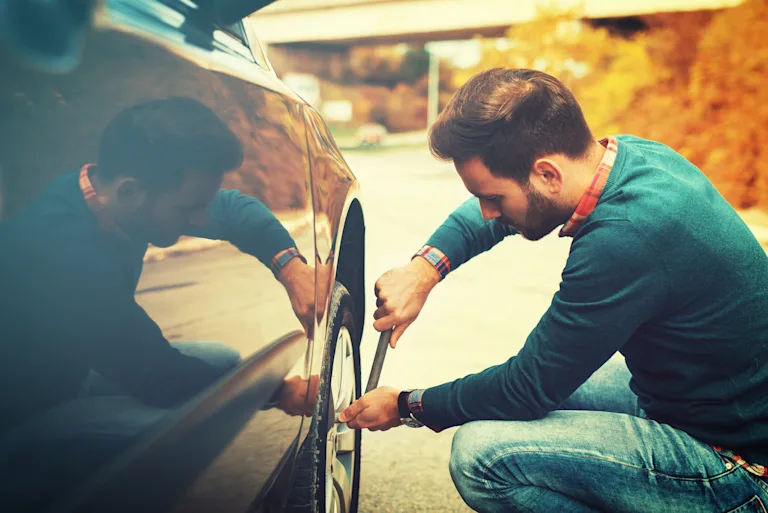
You bought a used car. Just days later, it broke down. Your mechanic says the problem will cost thousands to repair. What can you do? In BC, there's no general right to return a vehicle once you've taken possession. But if something's wrong with the car — or with the way it was sold to you — you have options. Here's what to know and steps you can take.
What you should know
Under the law in BC, a level of quality, performance and durability is implied into every sales contract.
When you buy a car from a dealer, it has to be:
fit for the purpose you bought it for
of “merchantable” quality (it has to run)
durable for a reasonable period of time
“as described”
These conditions are the legal warranty. They apply whether the dealer mentions them or not.
If the car is faulty or it’s not as described, the legal warranty is your escape hatch. It can give you the right to get the car repaired or replaced — or cancel the contract and get your money back.
If you buy privately from an individual, the legal warranty is more limited than if you buy from a car dealer.
A dealer — anyone who sells or trades motor vehicles for a living, not just car dealerships — is bound by strict conditions. The car has to run (be of "merchantable" quality) and be "fit for the purpose" you bought it for. A private seller isn't bound by these two rules. They only apply to sellers who are in the business of selling that kind of thing.
That said, two conditions survive. When you buy from a private seller, the car still has to be "reasonably durable" and "as described." (The seller also has to actually own the car and tell you about any liens against it.) These apply whether the seller mentions them or not.
The car has to keep working for a reasonable period after you buy it — not forever, just a reasonable stretch given what you bought.
What counts as "reasonable" depends on the whole picture of the sale:
how old the car is
how many kilometres it's driven
the price you paid
how the seller described it
A 12-year-old car with 200,000 km that cost you $2,000 isn't held to the same standard as a 3-year-old car with 40,000 km that cost $25,000. You can expect more from the newer, pricier one. But every car has to clear a baseline. Normal wear and tear is expected — worn brake pads or a tired battery on an old car usually won't count. A major failure shortly after you drive it home, like an engine or transmission giving out, is a different story. That's the classic case where courts and tribunals have found the durability condition was breached.
It doesn't matter whether the seller knew. A private seller can be honest, have no idea anything is wrong, and still be on the hook if the car wasn't reasonably durable. So the breakdown in the example above — days after purchase, thousands to repair — is close to the textbook case.
Separate from the legal warranty, a seller can't lie to you about the car. If they make a false statement of fact that you rely on in deciding to buy, that's a misrepresentation — and it can give you the right to cancel the sale and get your money back, or to claim compensation. Common examples: claiming the car was never in an accident when it was, rolling back the odometer, or saying it has an original engine when it's actually a rebuild.
It doesn't have to be a deliberate lie. Even an honest mistake can count, as long as what the seller told you was false and you relied on it. Silence is different: a private seller usually doesn't have to volunteer every flaw. But actively hiding one — painting over rust, disconnecting a warning light — crosses the line. If you think you were misled, write down what the seller told you, and when, while it's fresh.
Take action
If the used car you just bought breaks down, you aren’t always entitled to a refund or discount. For example, if you:
just don’t like the car — you can’t just change your mind
should have spotted an obvious problem you could see when you looked the car over (like a big dent in the fender)
were told about the problem before you bought
caused the problem
In each of these cases, you’re likely out of luck.
On the other hand, if you can show the vehicle didn't meet the legal warranty, or the seller misrepresented the vehicle, you may be entitled to:
return the vehicle (and get your money back),
get a discount, or
have the seller pay for the repairs.
Here are steps you can take to resolve a problem with a used car.
Step 1. Decide what you want
Step 2. Contact the seller directly
Step 3. File a complaint (dealer only!)
Step 4. Contact a consumer agency or industry association (dealer only!)
Step 5. Take to social media
Step 6. Take legal action
Step 1. Decide on what you want
Once you understand your legal rights and options, decide what outcome you're seeking. Are you hoping to have the vehicle repaired? To get a refund? A discount?
Step 2. Contact the seller directly
Try to raise any problems with the seller first.
Clearly explain your problem. Let them know the outcome you’re seeking. If you bought from a dealer, ask to speak to someone with authority, such as a manager or owner.
You can talk to them in person. But many people are more comfortable sending a letter. We have a tool to help you build a complaint letter, for both dealers and private sellers. See our letter to complain to a dealer and our letter to complain to a private seller.
Step 3. File a complaint (dealer only!)
If you’re buying the vehicle from a dealer, you can file a complaint with the Vehicle Sales Authority of BC. It’s the body that regulates and licenses car dealers and salespeople in the province.
The Vehicle Sales Authority also runs the motor dealer customer compensation fund. It reimburses people who have lost money because a dealer has gone out of business or failed to meet certain legal obligations.
The money in the fund comes from contributions from all licensed dealers in BC. The authority’s website explains who can apply for compensation, what losses the fund covers, and how to file a claim.
Step 4. Contact a consumer agency or industry association (dealer only!)
The Better Business Bureau may not be able to solve the problem, but complaining to them can help others avoid problems going forward.

Better Business Bureau (BBB)
Receives complaints about local businesses that are members.
Complaining to an association a car dealer belongs to can also help get their attention.



New Car Dealers Association of BC
Representing franchised car dealers who sell new vehicles.
Step 5. Take to social media
Consider telling your story on social media. Be factual and truthful about what happened — using foul or insulting language may work against you.
Social pressure is powerful. The seller may be motivated to make things right to show they’re good citizens (corporate or otherwise).
Step 6. Consider legal action
If you can’t solve the problem with the above steps, your next option may be to take legal action.
For claims under $5,000, you can apply to work out your dispute with the Civil Resolution Tribunal. This is a cheaper and faster option than going to court.
We have even more coverage of sorting out a problem with a used car, whether you bought from a private seller or a car dealer. See our in-depth coverage of problems if you bought privately and problems if you bought from a dealer.
Who can help
Seeking legal advice can help you clarify your options.

BC Legal Referral Service
Helps you connect with a lawyer, notary or paralegal for a free 15- to 30-minute consult to see if you want to hire them.

Access Pro Bono's Legal Advice Clinics
Volunteer lawyers provide 30 minutes of free legal advice to people with low or modest income.

This information from People’s Law School explains in a general way the law that applies in British Columbia, Canada. The information is not intended as legal advice. See our disclaimer.
Related
On Dial-A-Law
Dial-A-Law has more information on Car sales & repairs in the section on Cars & getting around.